
Kambo For Sale Near Me
Kambo ceremony originates in South America, specifically the Amazon rainforest regions of countries such as Brazil, Peru, and Colombia. It comes from the secretion of the Phyllomedusa bicolor, also known as the giant leaf frog.
http://bing.comIndigenous tribes have traditionally used kambo within structured cultural and ceremonial practices, often connected to hunting preparation, spiritual cleansing, or strengthening endurance. In these communities, kambo is not viewed as a recreational substance but as a serious ritual tool tied to cultural identity and ancestral knowledge.
The culture surrounding kambo Ceremony
Within indigenous Amazonian cultures, kambo ceremonies are typically led by experienced practitioners and follow established traditions. The process is ritualized and communal, emphasizing respect for the frog and the forest. Outside South America, kambo has been adopted into modern alternative wellness circles, often framed as a “detox” or spiritual cleanse. This modern adaptation is controversial, as it removes kambo from its cultural context and lacks the traditional safeguards and meanings that accompany indigenous use.
Effects of kambo and kambo sticks
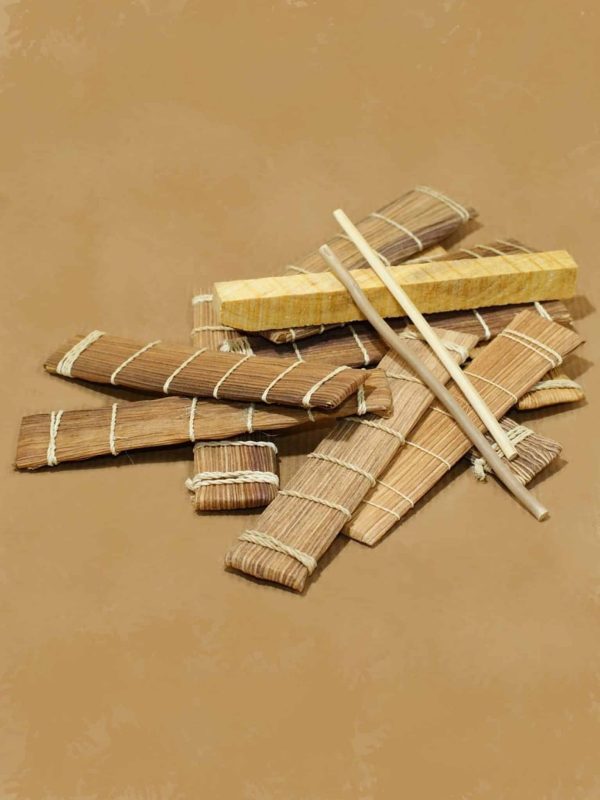
Kambo sticks are small wooden applicators used to apply dried frog secretion during ceremonies. The effects of kambo are intense and physical, not psychedelic. Commonly reported effects include rapid onset of nausea, vomiting, sweating, flushing, dizziness, and changes in heart rate or blood pressure. These reactions are part of what traditional users interpret as a cleansing response. Unlike psychedelic substances, kambo does not cause hallucinations or altered visual perception; its effects are primarily physiological rather than psychological.
Where Is kambo sourced and why it’s often
Kambo ceremony is sourced directly from the secretion of the Phyllomedusa bicolor frog, which is gently collected and dried into sticks or pellets. Despite being grouped with psychedelics in online discussions, kambo is not a psychedelic substance. It does not act on serotonin receptors in the way psychedelics do. The confusion often comes from its ceremonial use and strong bodily effects, which some people mistake for psychoactive experiences.
Is kambo for sale safe?
From a medical and public health perspective, kambo sticks is considered potentially dangerous, especially when used outside traditional settings. There is no standardized dosage, no clinical approval, and no reliable evidence supporting claimed health benefits. Reported risks include severe dehydration, electrolyte imbalance, low blood pressure, seizures, and organ stress. In rare cases, serious complications and deaths have been associated with kambo use. Health authorities generally advise against its use, particularly for people with heart conditions, neurological issues, or other underlying health concerns.
Conclusion
Kambo is a traditional Amazonian practice rooted in indigenous culture, not a psychedelic or a modern wellness treatment. While it holds cultural significance in South America, its adoption elsewhere raises serious health, ethical, and legal concerns. Education about its origins, effects, and risks is essential to understanding why many medical professionals caution against its use outside its original cultural context.